

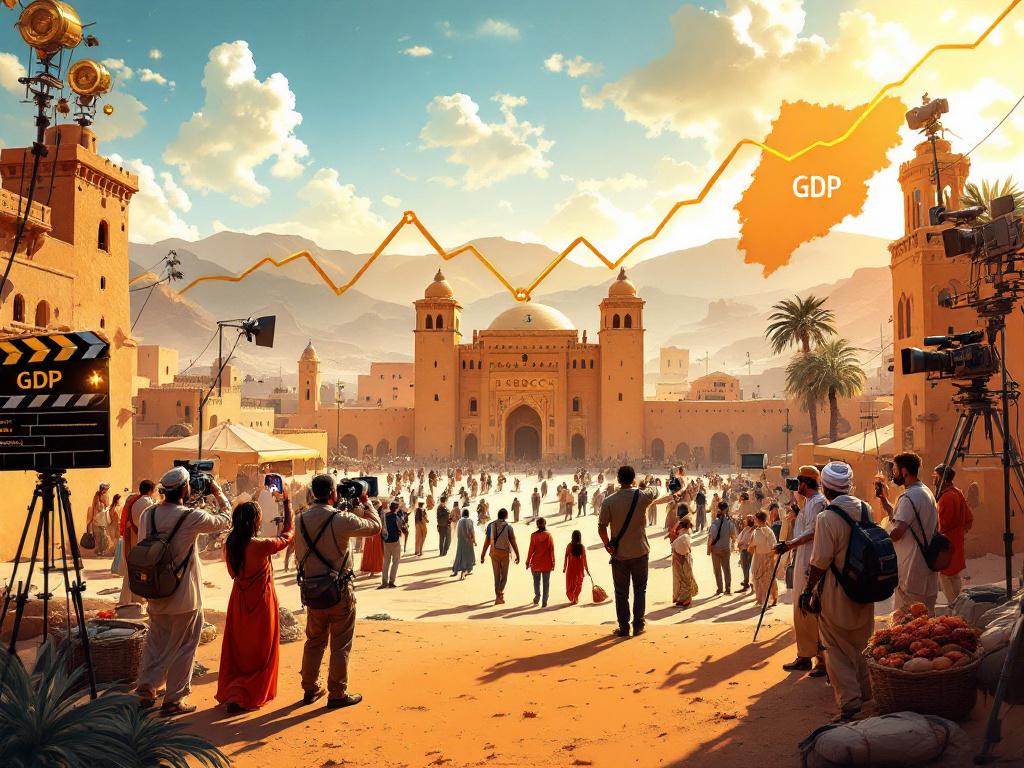
Lights, Camera, Economy: How Film Transformed Morocco into a $1.5 Billion Powerhouse (And Why It Matters to You!)
Discover how film transformed Morocco’s economy, creating jobs, boosting tourism, and generating over $1.5 billion. Learn the untold story behind the scenes!
Introduction: The Day Hollywood Knocked on Morocco’s Door
Imagine walking through the ancient streets of Ouarzazate, where the scent of spices mingles with the buzz of film crews setting up for the next blockbuster. This isn’t just a scene from a movie—it’s Morocco’s economic reality. Over the past three decades, Morocco has evolved from a hidden gem to a global filmmaking powerhouse, attracting Hollywood giants, Bollywood producers, and independent filmmakers alike.
But what does this mean for Morocco’s economy? How does a single industry—film production—create jobs, boost tourism, and inject billions into a country’s GDP? The answer is as compelling as the films shot on its soil. In this article, we’ll explore the staggering economic impact of film on Morocco, from job creation to tourism growth, and why this success story matters to you, whether you’re a filmmaker, investor, or simply a lover of cinema.
1. The Economic Boom: How Film Production Fuels Morocco’s GDP
A $1.5 Billion Industry and Growing
Morocco’s film industry contributes over $1.5 billion annually to the national economy. This includes:
- Direct spending by international productions.
- Indirect revenue from tourism, hospitality, and local businesses.
- Job creation for thousands of Moroccans.
Key Economic Benefits of Film Production
| Economic Impact | Statistics/Examples |
|---|---|
| GDP Growth | Film industry contributes ~1.2% of Morocco’s GDP. |
| Job Creation | Over 100,000 jobs in film, tourism, and hospitality. |
| Foreign Investment | Major studios like Warner Bros., Disney, and Netflix invest millions annually. |
| Tourism Boost | Film tourism generates $300 million+ per year. |
2.
The film industry doesn’t just create roles for actors and directors—it supports an entire ecosystem of jobs:
- On-set roles: Camera operators, set designers, costume makers, and catering staff.
- Post-production: Editors, sound engineers, and visual effects artists.
- Support services: Drivers, translators, and security personnel.
Morocco’s film schools and training programs ensure a steady supply of skilled workers:
- ESAV (École Supérieure des Arts Visuels)
- ISMAC (Institut Supérieur des Métiers de l’Audiovisuel et du Cinéma)
These institutions partner with international studios to provide hands-on training and job placements.
3. Tourism: How Movies Turn Morocco into a Must-Visit Destination
When a movie or TV show is filmed in Morocco, tourists flock to see the locations. Examples include:
- Game of Thrones (Aït Benhaddou): Fan visits increased by 40% after the show aired.
- Gladiator (Ouarzazate): The Atlas Studios tour became a top tourist attraction.
- The Mummy (Merzouga): Desert tours spiked by 30% post-release.
Morocco’s Top Film Locations and Their Tourist Appeal
| Location | Famous Films/Shows | Annual Visitors |
|---|---|---|
| Aït Benhaddou | Gladiator, Game of Thrones | 500,000+ |
| Ouarzazate | Lawrence of Arabia, The Mummy | 300,000+ |
| Marrakech | Sex and the City 2, The Bourne Ultimatum | 2.5 million+ |
| Merzouga (Sahara) | The Mummy, Sahara | 200,000+ |
4. Government Incentives: Why Morocco is a Filmmaker’s Dream
Morocco offers unmatched incentives for filmmakers:
- 30% cash rebate on production costs.
- No VAT on film-related expenses.
- Streamlined permitting for filming in historic and protected sites.
- Atlas Studios (Ouarzazate): The largest film studio in the world by area.
- State-of-the-art post-production facilities in Casablanca and Marrakech.
5. Challenges and Opportunities: What’s Next for Morocco’s Film Economy?
- Competition from other filming destinations like Dubai and South Africa.
- Infrastructure gaps in rural filming locations.
- Need for more local investment in Moroccan-produced films.
- Expanding co-productions with Europe, the US, and Asia.
- Investing in digital and virtual production to attract high-tech projects.
- to global audiences via streaming platforms.
Conclusion: Why Morocco’s Film Success Story Inspires the World
Morocco’s journey from a scenic backdrop to an economic powerhouse is a testament to the transformative power of the film industry. By leveraging its natural beauty, skilled workforce, and smart incentives, Morocco has created a $1.5 billion industry that supports jobs, boosts tourism, and puts the country on the global map.
🎬 Your Turn!
Have you visited a film location in Morocco? What’s your favorite movie shot in Morocco? Share your thoughts in the comments below!
FAQ: The Impact of Film on Morocco’s Economy
1. How much does the film industry contribute to Morocco’s GDP?
The film industry contributes approximately 1.2% of Morocco’s GDP, generating over $1.5 billion annually.
2. What are the most famous films shot in Morocco?
Some iconic films include Gladiator, Game of Thrones, The Mummy, Lawrence of Arabia, and Black Panther.
3. How does film production create jobs in Morocco?
Film production creates jobs directly (on-set roles) and indirectly (tourism, hospitality, and support services), employing over 100,000 people.
4. What incentives does Morocco offer to filmmakers?
Morocco offers a 30% cash rebate on production costs, no VAT on film expenses, and streamlined permitting for filming.
5. How does film tourism benefit Morocco?
Film tourism attracts hundreds of thousands of visitors annually, generating over $300 million in revenue from location-based tours and hospitality.