

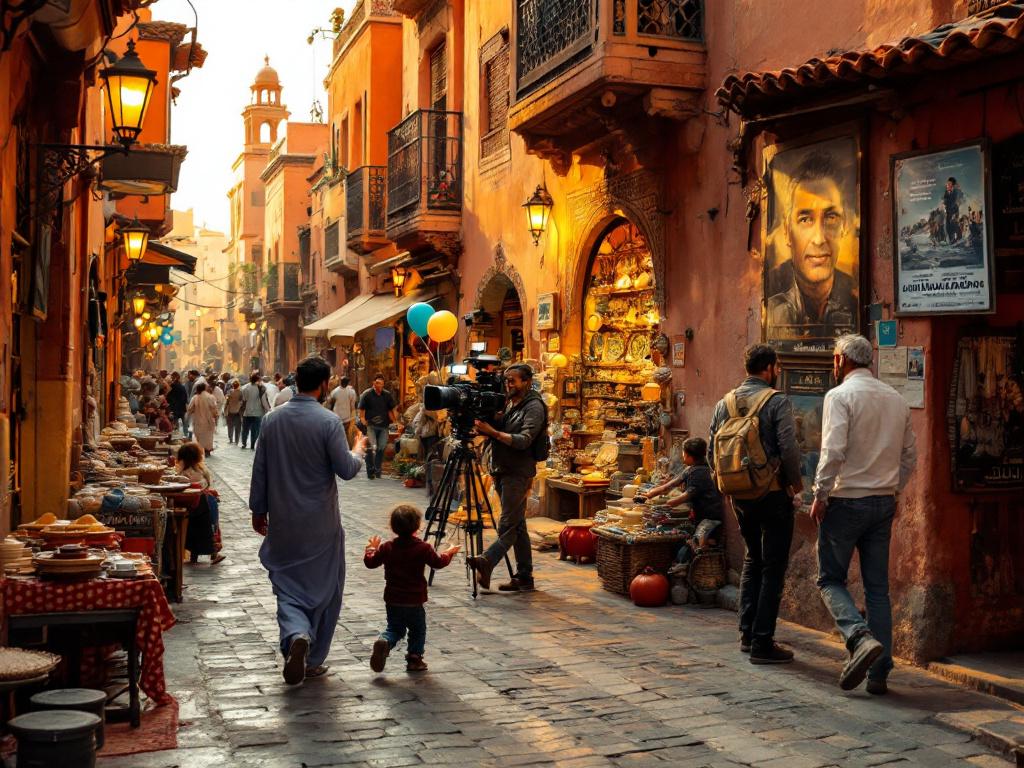
International Film Festival in Marrakech
Discover how Morocco’s urban and rural landscapes shape global cinema. Explore 7 iconic films, cultural contrasts, and the magic of Moroccan storytelling.
Introduction: A Tale of Two Moroccos
Close your eyes and picture Morocco. Do you see the labyrinthine alleys of Marrakech’s medina, pulsing with life and color? Or the golden dunes of the Sahara, stretching endlessly under a vast sky? For decades, global cinema has been captivated by both the urban energy and rural mystique of Morocco. From Hollywood blockbusters to intimate indie dramas, Morocco’s duality—its bustling cities and timeless villages—has inspired filmmakers to tell stories that resonate across cultures.
But what makes Morocco’s urban and rural landscapes so compelling on screen? And how do these settings shape the narratives we love? Let’s dive into the cinematic heart of Morocco, where every frame tells a story of contrast, tradition, and transformation.
Why Morocco? The Allure of a Cinematic Crossroads
Morocco’s unique blend of historical sites, contemporary urban centers, and breathtaking natural landscapes makes it a filmmaker’s paradise. Here’s why:
- Diverse Backdrops: From the ancient kasbahs of Ouarzazate to the neon-lit streets of Casablanca, Morocco offers a visual feast for any genre.
- Skilled Crews & Incentives: With experienced local crews and government incentives, Morocco is a cost-effective hub for international productions.
- Cultural Richness: The country’s blend of Arab, Berber, and European influences adds depth to every story.
In 2025 alone, Morocco’s film sector generated a record MAD 1.5 billion ($150 million) from foreign productions, cementing its status as a global filming destination.
Urban Morocco on Screen: Grit, Glamour, and Social Realities
1. Casablanca: The City of Dreams and Disillusionment
Casablanca, Morocco’s economic capital, is more than just a namesake for the classic 1942 film. It’s a character in its own right—vibrant, chaotic, and full of contradictions.
- Film Spotlight: Ali Zaoua: Prince of the Streets (2000) – Nabil Ayouch’s heart-wrenching tale of homeless children in Casablanca blends poetic realism with raw social commentary.
- Why It Matters: The film exposes the harsh realities of urban poverty while celebrating the resilience of its young protagonists.
2. Marrakech: Where Tradition Meets Modernity
Marrakech’s medina and modern districts provide a stark contrast, often used to explore themes of identity and change.
- Film Spotlight: Much Loved (2015) – Nabil Ayouch’s controversial drama follows the lives of sex workers in Marrakech, challenging societal taboos and sparking global conversations.
Rural Morocco: Timeless Landscapes and Untold Stories
3. The Sahara Desert: A Canvas of Solitude and Adventure
The Sahara’s vast expanse has been the backdrop for countless epics, from Lawrence of Arabia (1962) to The Mummy (1999). But Moroccan filmmakers are reclaiming this landscape to tell their own stories.
- Film Spotlight: The Unknown Saint (2019) – A dark comedy set in the Atlas Mountains, blending rural folklore with modern satire.
4. The Atlas Mountains: Where Myth and Reality Collide
The rugged beauty of the Atlas Mountains has inspired both local and international filmmakers.
- Film Spotlight: Death for Sale (2011) – Faouzi Bensaïdi’s crime drama uses the mountain’s isolation to amplify tension and introspection.
The Cultural Divide: Urban vs Rural in Moroccan Cinema
Moroccan cinema often explores the tension between urban progress and rural tradition. Here’s how:
- Language & Identity: While urban films often feature Arabic or French, rural stories frequently incorporate Amazigh (Berber) languages, reflecting the country’s linguistic diversity.
- Social Themes: Urban films tackle issues like youth unemployment and migration, while rural narratives focus on heritage, family, and the struggle to preserve traditions.
Morocco’s Film Festivals: Bridging the Divide
The Marrakech International Film Festival is a prime example of how Morocco celebrates both its urban and rural cinematic voices. The 2025 edition screened 82 films from 31 countries, attracting over 47,000 spectators and showcasing a “mosaic of perspectives: rural and urban, historical and contemporary”.
Conclusion: A Cinematic Legacy That Transcends Borders
Morocco’s urban and rural landscapes are more than just backdrops—they are storytellers. Whether through the neon glow of Casablanca or the golden silence of the Sahara, Moroccan cinema invites us to explore the complexities of a nation in transition.
Your Turn: Which Moroccan film left a lasting impression on you? Share your thoughts in the comments below!
FAQ: Urban vs Rural Morocco in Global Cinema
Q: What are some must-watch Moroccan films set in urban areas? A: Ali Zaoua: Prince of the Streets (2000), Much Loved (2015), and Casablanca (1942) are essential viewing for their portrayal of urban life.
Q: How has rural Morocco influenced global cinema? A: Rural Morocco’s landscapes—like the Sahara and Atlas Mountains—have provided iconic settings for films such as Lawrence of Arabia and The Unknown Saint, blending adventure with cultural depth.
Q: What role do film festivals play in promoting Moroccan cinema? A: Festivals like the Marrakech International Film Festival highlight both urban and rural narratives, fostering global appreciation for Moroccan storytelling.
Ready to explore more? Dive into Morocco’s cinematic world and discover the stories that shape its soul.