

How Morocco’s Film Industry Shapes Its Global Image: 5 Powerful Ways Cinema Transforms Perceptions
Discover how Morocco’s film industry boosts its international image—from Hollywood blockbusters to cultural diplomacy. Explore 5 key ways cinema puts Morocco on the world map.
Introduction: Lights, Camera, Morocco!
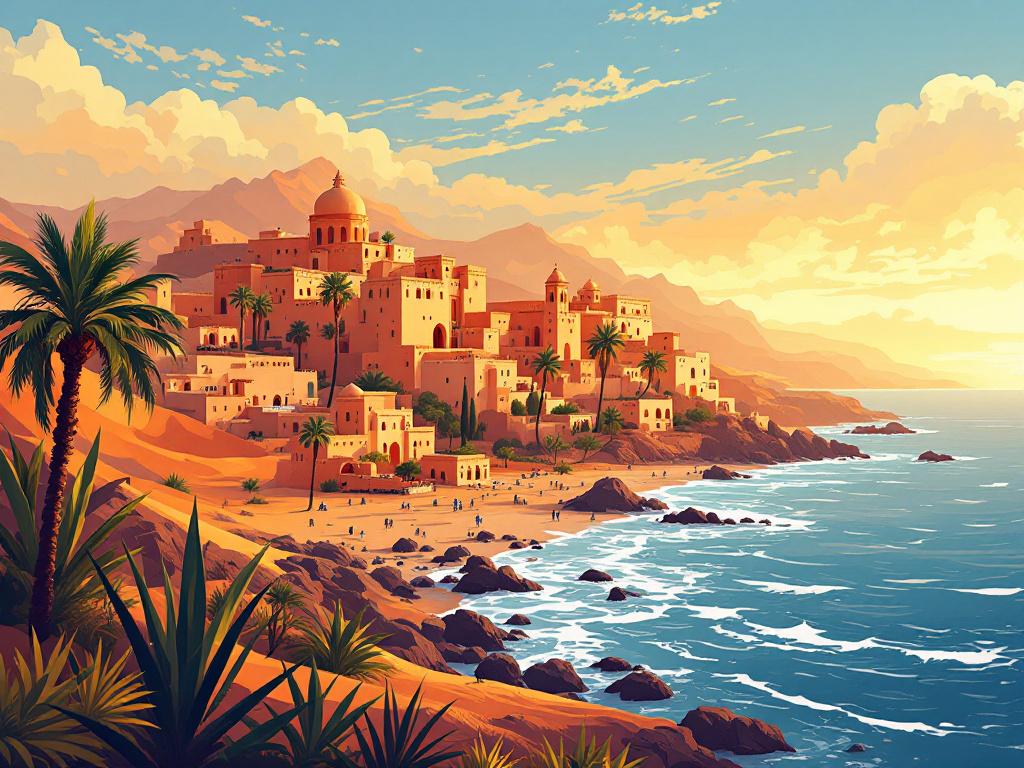
Close your eyes and imagine the golden dunes of the Sahara, the bustling souks of Marrakech, and the ancient kasbahs of Ouarzazate. Now, picture these iconic landscapes as the backdrop for some of the world’s most beloved films—Gladiator, Indiana Jones, Game of Thrones, and The Mummy. Morocco isn’t just a filming location; it’s a global cinematic powerhouse that uses the magic of film to reshape its international image.
But how exactly does Morocco’s film industry influence how the world sees this North African gem? From economic growth to cultural diplomacy, let’s explore Morocco’s cinema industry transforms its global reputation—and why it matters more than ever in 2025.
1. Morocco as a Hollywood Hotspot: Attracting Blockbusters and Global Attention
Morocco’s diverse landscapes—deserts, mountains, historic cities, and coastal towns—have made it a top destination for international filmmakers. In 2024 alone, Morocco hosted major productions like Indiana Jones and the Dial of Destiny, Cleopatra (starring Gal Gadot), and the sequel to Lord of War with Nicolas Cage.
Why It Matters:
- Economic Boost: in revenue, with locations like Ouarzazate and Aït Benhaddou becoming must-visit destinations for fans.
- Global Visibility: When a blockbuster is filmed in Morocco, it introduces millions of viewers to the country’s beauty, culture, and hospitality.
- Job Creation: The industry supports thousands of local jobs, from crew members to hospitality workers.
| Film/Series Title | Year | Key Filming Locations |
|---|---|---|
| Indiana Jones and the Dial of Destiny | 2023 | Atlas Studios, Ouarzazate |
| Cleopatra (Gal Gadot) | 2025 | Marrakech, Sahara Desert |
| Lord of War 2 (Nicolas Cage) | 2024 | Tangier, Atlas Mountains |
| Gladiator 2 | 2024 | Aït Benhaddou, Ouarzazate |
| Game of Thrones (Seasons 3–8) | 2013–2019 | Essaouira, Aït Benhaddou |
2. : Bridging Africa, the Arab World, and Europe
Morocco’s film industry isn’t just about entertainment—it’s a tool for cultural diplomacy. The country’s strategic location and multilingual society (Arabic, Berber, French, Spanish) make it a natural bridge between Africa, the Middle East, and Europe.
Key Initiatives:
- : A platform for global cinematic exchange, attracting stars like Bong Joon-ho and Patricia Arquette.
- Co-productions Internationales: Morocco collaborates with France, Spain, the U.S., and Middle Eastern countries, fostering creative and economic ties.
- Arab and African Narratives: Films like The Mother of All Lies (2023) and Adam (2019) highlight Morocco’s rich cultural heritage, challenging stereotypes and promoting diversity.
3. Boosting Tourism Through
Ever dreamed of walking through the streets of Casablanca after watching the classic film? Or visiting the Sahara after seeing The Mummy? Film tourism is a major driver of Morocco’s economy.
How Film Boosts Tourism:
- Iconic Locations: Sites like Aït Benhaddou (a UNESCO World Heritage site) see a 30% increase in visitors after featuring in major films.
- Themed Tours: Travel agencies offer “Movie Location Tours,” taking fans to sets from Gladiator, Game of Thrones, and Lawrence of Arabia.
- Social Media Buzz: Instagram and TikTok are flooded with posts from travelers recreating famous movie scenes in Morocco.
4. : A New Generation of Moroccan Filmmakers
Morocco isn’t just a backdrop—it’s a hub for homegrown talent. The country’s film schools, festivals, and government incentives have nurtured a vibrant local industry.
Rising Stars and Success Stories:
- Maryam Touzani (Adam, The Blue Caftan): Acclaimed at Cannes and Toronto Film Festivals.
- Laïla Marrakchi (Rock the Casbah, Marock): Pioneering female director in North Africa.
- Assaad Bouab: Actor and filmmaker bridging Moroccan and French cinema.
- Said EL HEGAR :producer of the Rabatfilms company
Government Support:
- for foreign and local productions.
- : Strengthens the Moroccan Cinematographic Center (CCM) and promotes national talent.
5. : Redefining Africa on Screen
Morocco’s film industry plays a crucial role in changing global perceptions of Africa. Instead of clichés about poverty or conflict, Moroccan cinema showcases:
- Rich History: Films like The Sleeping Child (2004) explore colonialism and identity.
- Modernity and Innovation: Burnout (2023) and The Unknown Saint (2019) blend tradition with contemporary issues.
- Diversity: From Berber culture to urban youth, Moroccan films celebrate the country’s multiculturalism.
FAQ: Morocco’s Film Industry and Its Global Impact
Q: Why do so many international films choose Morocco as a filming location? A: Morocco offers diverse landscapes, skilled crews, cost-effective production costs, and a 30% tax rebate for foreign productions. Its proximity to Europe and cultural richness also make it an ideal hub.
Q: How does Morocco’s film industry benefit local communities? A: It creates jobs, boosts tourism, and supports local businesses (hotels, restaurants, transport). Film festivals and training programs also empower young Moroccan talent.
Q: What are some must-visit film locations in Morocco? A: Don’t miss Aït Benhaddou (Gladiator, Game of Thrones), Ouarzazate (Atlas Studios), Essaouira (Game of Thrones), and Marrakech (Sex and the City 2, The Man Who Knew Too Much).
Q: How can I watch Moroccan films? A: Many Moroccan films are available on Netflix, Amazon Prime, and MUBI. Festivals like the Marrakech International Film Festival also showcase the latest works.
Q: Is Morocco’s film industry growing? A: Absolutely! With new tax incentives, international co-productions, and a thriving local scene, Morocco’s film industry is one of the fastest-growing in Africa.
Conclusion: Morocco’s Silver Screen Revolution
From hosting Hollywood’s biggest blockbusters to nurturing homegrown talent, Morocco’s film industry is more than just entertainment—it’s a powerful tool for economic growth, cultural diplomacy, and global storytelling. By blending tradition with innovation, Morocco isn’t just on the world stage; it’s rewriting the script on how a nation can use cinema to shape its identity.
What’s your favorite film set in Morocco? Share in the comments, and let’s celebrate the magic of Moroccan cinema together! Don’t forget to share this article with fellow film lovers.