

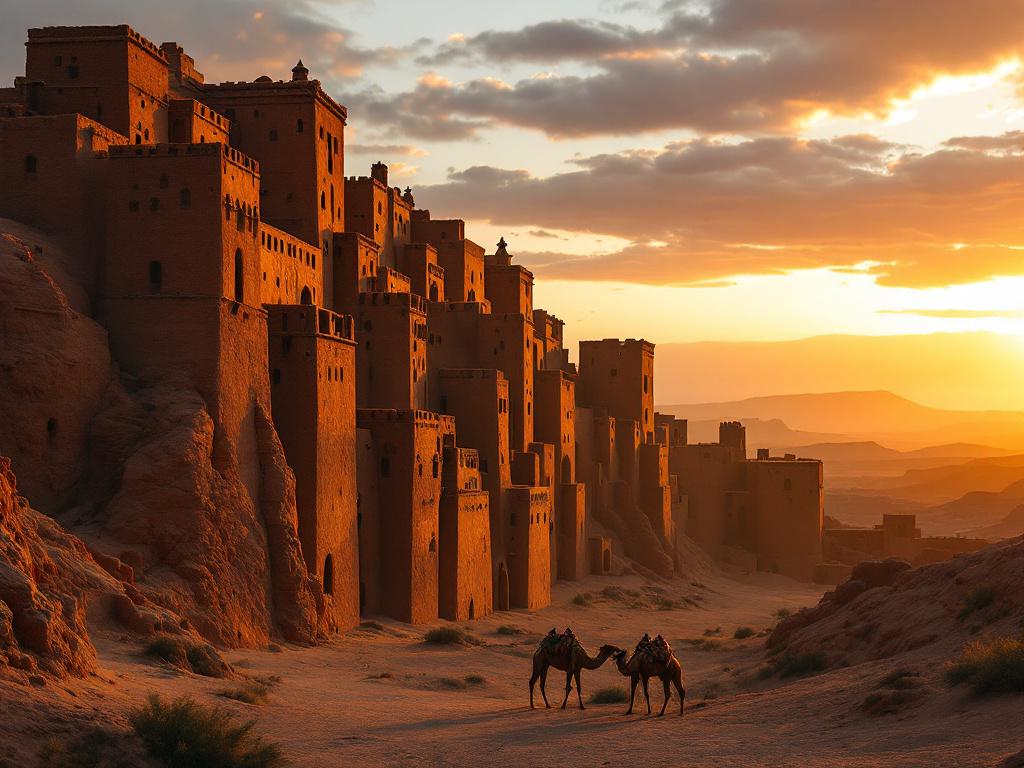
Film Streets of Morocco: 10 Iconic Locations Where Cinema Lives
Discover the magic of Morocco’s film streets—where epic movies like Gladiator, Lawrence of Arabia, and Game of Thrones were shot. Explore the top 10 cinematic locations and plan your own adventure!
Introduction: Where Every Corner Tells a Story
Close your eyes and picture this: golden desert dunes stretching endlessly, ancient medinas buzzing with life, and labyrinthine alleys whispering secrets of the past. Now, open them—you’re in Morocco, a land where reality feels like a movie set. From the windswept Sahara to the bustling souks of Marrakech, Morocco has been the backdrop for some of cinema’s most unforgettable moments.
For decades, filmmakers have flocked to Morocco, drawn by its diverse landscapes, timeless architecture, and the ability to transform into almost any setting—from ancient Rome to the Middle East. Whether you’re a film buff, a traveler, or simply a dreamer, join us as we explore the film streets of Morocco, where every frame is a masterpiece and every location has a story to tell.
Why Morocco? The Secret Ingredient of Hollywood Magic
Morocco isn’t just a filming location—it’s a cinematic powerhouse. Here’s why:
- Diverse Landscapes: From the Sahara Desert to the Atlas Mountains, Morocco offers a one-stop shop for dramatic backdrops.
- Affordable Production: World-class studios like Atlas Studios in Ouarzazate and professional local crews make filming here cost-effective.
- Authentic Architecture: Ancient kasbahs, medieval medinas, and grand palaces double as historical sets without needing CGI.
- Year-Round Sunshine: With over 300 days of sunshine annually, weather delays are rare—perfect for outdoor shoots.
10 Iconic Film Locations in Morocco You Must Visit
1. Aït Benhaddou: The Ancient Fortress of Fantasy
Featured in: Gladiator, Lawrence of Arabia, Game of Thrones
This UNESCO-listed ksar (fortified village) is one of Morocco’s most famous film locations. Its mud-brick walls and towering gates have stood in for ancient Rome, Jerusalem, and even the fictional city of Yunkai in Game of Thrones. Walk through its narrow alleys, and you’ll feel like you’ve stepped into a Ridley Scott epic.
Pro Tip: Visit at sunrise or sunset for the most cinematic lighting.
2. Ouarzazate: The Hollywood of Morocco
Featured in: The Mummy, Prince of Persia, Babel
Known as the “Hollywood of Morocco,” Ouarzazate is home to Atlas Studios, one of the largest film studios in the world. The city’s dramatic desert landscapes and traditional mud-brick architecture have made it a favorite for blockbusters. Don’t miss a guided tour of the studio’s elaborate sets, where you can walk through the worlds of Gladiator and The Mummy.
3. Marrakech: The Vibrant Heart of Moroccan Cinema
Featured in: Sex and the City 2, Hideous Kinky, Mission: Impossible – Rogue Nation
Marrakech’s Jemaa el-Fnaa square is a sensory overload—snake charmers, food stalls, and storytellers create a living, breathing movie set. The city’s riads, palaces, and bustling souks have been featured in everything from romantic comedies to high-octane action films.
Must-See: The La Mamounia hotel, a luxury landmark that’s hosted Hollywood stars for decades.
4. Essaouira: The Coastal Gem of Film
Featured in: Othello, Game of Thrones
This charming port city, with its whitewashed walls and blue shutters, has a bohemian vibe that’s captivated filmmakers. Its medieval ramparts and windswept beaches were the perfect stand-in for the fictional city of Astapor in Game of Thrones.
5. Casablanca: The City of Legends
Featured in: Casablanca (1942)
While most of the classic Casablanca was filmed in Hollywood, the city itself is steeped in cinematic history. Visit Rick’s Café, a tribute to the film, and explore the Art Deco architecture that defines the city’s golden age.
6. Erfoud: The Gateway to the Sahara
Featured in: The Mummy, The Mummy Returns
Erfoud’s golden dunes and rocky landscapes have been the setting for countless desert adventures. It’s the perfect starting point for a Sahara tour, where you can camp under the stars just like the heroes of The Mummy.
7. Tangier: The Mysterious Northern Star
Featured in: The Man Who Knew Too Much, Inception
Tangier’s mix of European and North African influences makes it a unique filming location. Its winding streets and cliffside views were featured in Alfred Hitchcock’s The Man Who Knew Too Much and Christopher Nolan’s Inception.
8. The Atlas Mountains: Nature’s Grand Stage
Featured in: Gladiator, Kingdom of Heaven
The Atlas Mountains provide a breathtaking backdrop for epic battles and sweeping landscapes. Ridley Scott’s Gladiator and Kingdom of Heaven both used these majestic peaks to create unforgettable cinematic moments.
9. Rabat: The Modern Face of Moroccan Cinema
Featured in: Mission: Impossible – Rogue Nation
Morocco’s capital, Rabat, offers a blend of modernity and history. Its wide boulevards and historic sites were the setting for Mission: Impossible – Rogue Nation’s thrilling chase scenes.
10. The Sahara Desert: The Ultimate Cinematic Wilderness
Featured in: Lawrence of Arabia, The Sheltering Sky
No list of Moroccan film locations is complete without the Sahara. Its endless dunes and stark beauty have been the setting for some of cinema’s most iconic desert scenes, including Lawrence of Arabia.
How to Experience Morocco’s Film Magic
Take a Film Location Tour
Many local tour operators offer guided tours of Morocco’s most famous film sets. You can walk through the streets of Gladiator, explore the markets of Sex and the City 2, and even visit the real-life Yunkai from Game of Thrones.
Visit Atlas Studios
A tour of Atlas Studios in Ouarzazate is a must for any film lover. You’ll see sets from Gladiator, The Mummy, and Prince of Persia, and learn about the behind-the-scenes magic of filmmaking.
Attend the Marrakech International Film Festival
If you’re a true cinephile, plan your trip around the Marrakech International Film Festival, where you can rub shoulders with filmmakers and stars from around the world.
Conclusion: Your Own Moroccan Movie Adventure Awaits
Morocco isn’t just a destination—it’s a living, breathing movie set. Whether you’re standing in the shadow of Aït Benhaddou, exploring the souks of Marrakech, or riding a camel into the Sahara, you’re walking in the footsteps of cinematic legends.
Ready to star in your own Moroccan adventure? Start planning your trip today, and don’t forget to share your favorite film locations in the comments below!
FAQ: Everything You Need to Know About Morocco’s Film Streets
Q: What is the most famous movie filmed in Morocco? A: Lawrence of Arabia (1962) and Gladiator (2000) are among the most iconic, but Game of Thrones and The Mummy also put Morocco on the cinematic map.
Q: Can I visit the film sets in Morocco? A: Yes! Many sets, like those at Atlas Studios in Ouarzazate, are open to the public for tours.
Q: What is the best time to visit Morocco’s film locations? A: Spring (March–May) and fall (September–November) offer mild weather, perfect for exploring outdoor film sites.
Q: Are there guided tours for film locations in Morocco? A: Absolutely! Many tour companies offer specialized film location tours, especially in Ouarzazate and Marrakech.
Q: Which Moroccan city is known as the “Hollywood of Morocco”? A: Ouarzazate is famous for its film studios and has earned the nickname “Hollywood of Morocco”.
Call to Action: Have you visited any of these iconic film locations? Share your experiences in the comments, or tag us in your Moroccan movie adventure photos! Don’t forget to bookmark this guide for your next trip.