

Morocco’s Cinematic Infrastructure in 2025: 7 Game-Changing Trends Revolutionizing Film Production
Discover how is transforming global filmmaking with cutting-edge studios, tax incentives, and breathtaking locations. A must-read for producers!
Introduction: Why Morocco Is the Next Hollywood
Close your eyes and imagine a place where golden deserts stretch endlessly, ancient medinas whisper stories of the past, and modern film studios rival those in Los Angeles. Now, open them—you’re in Morocco, the rising star of global cinema.
In 2025, Morocco isn’t just a filming location; it’s a powerhouse of cinematic infrastructure, attracting blockbuster productions, indie filmmakers, and streaming giants alike. With , Morocco is redefining what it means to produce world-class films.
But what exactly makes Morocco’s film industry so irresistible? Let’s dive into the 7 game-changing trends shaping its cinematic future.
1. World-Class Film Studios: Morocco’s Answer to Hollywood
Gone are the days when Morocco was just a scenic backdrop. In 2025, the country boasts some of the most advanced film studios in the world, equipped with cutting-edge technology.
Key Studios Leading the Charge:
- – The largest studio in the world by land area, now featuring virtual production stages and AI-driven set design.
- Studio 2M (Casablanca) – A hub for post-production and VFX, rivaling facilities in London and Vancouver.
- Marrakech Film City – A newly expanded complex with soundstages, prop warehouses, and a dedicated film school.
Why It Matters: Producers no longer need to fly to Los Angeles or Pinewood Studios—Morocco offers the same quality at a fraction of the cost.
2. Unbeatable Tax Incentives: Saving Millions on Production Costs
Morocco’s government has doubled down on attracting international productions with generous financial incentives:
- 30% cash rebate on qualifying production expenses.
- No VAT on film equipment imports.
- Fast-track permits for shooting in public spaces.
Real-World Impact: Major productions like Dune: Part Three and The Crown’s final season saved over $10 million by filming in Morocco.
3. A Skilled Workforce: From Local Crews to Global Talent
Morocco’s film industry isn’t just about locations—it’s about people. The country now has:
- , from grips to VFX artists.
- Film schools in Marrakech and Casablanca producing the next generation of directors and cinematographers.
- Bilingual crews (Arabic, French, English) ensuring smooth international collaborations.
Pro Tip: Many Moroccan crews have worked on Netflix, HBO, and Marvel projects—experience that rivals Hollywood standards.
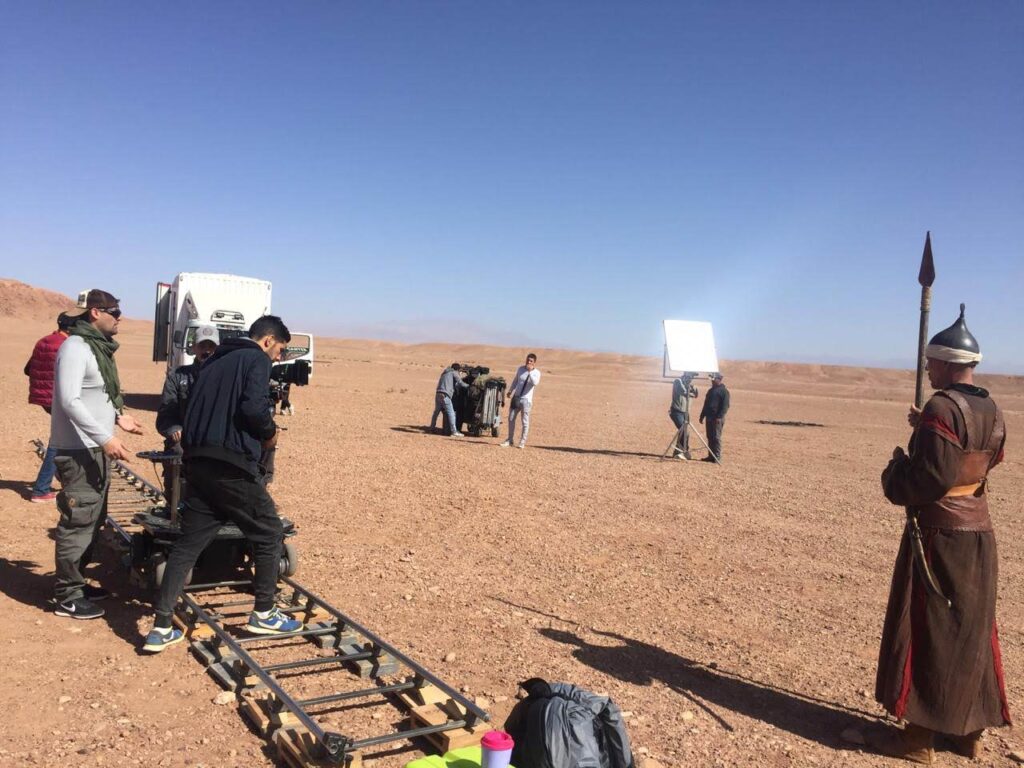
4. Iconic Locations: From Desert Dunes to Futuristic Cities
Morocco’s diversity is its biggest asset. Filmmakers can shoot: ✅ Desert landscapes (Erg Chebbi, Aït Benhaddou) – Perfect for Game of Thrones or Mad Max. ✅ Coastal cities (Essaouira, Tangier) – Ideal for romantic dramas and spy thrillers. ✅ Modern metropolises (Casablanca, Rabat) – Doubling for Middle Eastern or European cities.
Fun Fact: The Mummy (1999), Gladiator (2000), and Mission: Impossible 5 were all filmed here.
5. Sustainable Filmmaking: Morocco’s Green Revolution
In 2025, Morocco is leading the charge in eco-friendly film production:
- Solar-powered studios reducing carbon footprints.
- Zero-waste policies on major sets.
- Government grants for productions using sustainable practices.
Why It’s a Big Deal: Filmmakers can now reduce costs while being environmentally responsible—a win-win.
6. The Rise of Moroccan Co-Productions
Morocco isn’t just a filming location—it’s a creative partner. In 2025, we’re seeing:
- More (France, Spain, Italy).
- (Netflix’s Casablanca series).
- Moroccan directors gaining global recognition (e.g., The Blue Caftan at the Oscars).
The Future: Expect more Moroccan-led blockbusters in the next decade.
7. Tech & Innovation: AI, VR, and Beyond
Morocco’s film industry is embracing the future with:
- AI-driven script analysis to optimize shooting schedules.
- Virtual reality scouting for directors to explore locations remotely.
- Drone cinematography capturing breathtaking aerial shots.
Industry Insight: Studios like Atlas are testing AI-generated sets, reducing production time by 40%.
Conclusion: Why Morocco Is the Future of Filmmaking
From world-class studios to unbeatable tax breaks, Morocco in 2025 is . Whether you’re a blockbuster director, indie producer, or streaming executive, Morocco offers everything you need—and more.
Ready to shoot your next project here? Start planning today—the future of cinema is in Morocco.
💬 What’s your favorite film shot in Morocco? Let us know in the comments!
FAQ: Morocco’s Cinematic Infrastructure in 2025
1. What makes Morocco a top filming destination in 2025?
Morocco combines cutting-edge studios, tax incentives, diverse locations, and a skilled workforce, making it a cost-effective alternative to Hollywood.
2. How much can productions save by filming in Morocco?
With 30% cash rebates and no VAT on equipment, productions can save millions compared to filming in the US or Europe.
3. Are there film schools in Morocco for aspiring professionals?
Yes! Marrakech and Casablanca have top-tier film schools training the next generation of directors, cinematographers, and VFX artists.
4. What types of films are best suited for Morocco?
Morocco is perfect for epics (Gladiator), sci-fi (Dune), thrillers (Mission: Impossible), and period dramas (The Crown).
5. How is Morocco promoting sustainable filmmaking?
The country offers solar-powered studios, zero-waste policies, and grants for eco-friendly productions.