

Filming in Morocco: The Ultimate Guide to Permits, Costs, and Logistics for Stress-Free Production
Planning to film in Morocco? Discover everything you need to know about permits, costs, and logistics for a seamless production experience.
Introduction: Your Dream Shoot Starts Here
Imagine this: You’re standing in the heart of the Sahara Desert, the golden dunes stretching endlessly under a blazing sun, your camera rolling as the perfect shot unfolds. Or perhaps you’re in the ancient, winding alleys of Fes Medina, capturing the essence of a bygone era. Morocco isn’t just a filming location—it’s a filmmaker’s dream.
But before you can shout “Action!”, there’s the nitty-gritty of permits, budgets, and logistics to consider. If you’ve ever wondered how to navigate the process of filming in Morocco, you’re in the right place.
As someone who’s worked on international productions, I’ve seen firsthand how Morocco’s streamlined processes, cost-effective solutions, and world-class infrastructure make it one of the best places in the world to film. But to make the most of your shoot, you need to plan smart.
In this guide, we’ll break down everything you need to know about filming in Morocco—permits, costs, logistics, and insider tips—so you can focus on what you do best: creating cinematic magic.
1. Filming Permits in Morocco: What You Need to Know
Securing permits is the first and most crucial step in filming in Morocco. The good news? Morocco’s filmmaker-friendly policies make this process faster and easier than in many other countries.
📝 Types of Permits Required
| Permit Type | When You Need It | Processing Time | Cost (Approx.) |
|---|---|---|---|
| General Filming Permit | For most commercial and feature film shoots | 3–7 days | $500–$2,000 |
| Drone Permit | For aerial shots | 5–10 days | $200–$500 |
| UNESCO Site Permit | For filming in Aït Benhaddou, Fes Medina, etc. | 7–14 days | $1,000–$3,000 |
| Street Closure Permit | For shooting in public areas | 5–7 days | $300–$1,000 |
🏛️ How to Apply for Permits
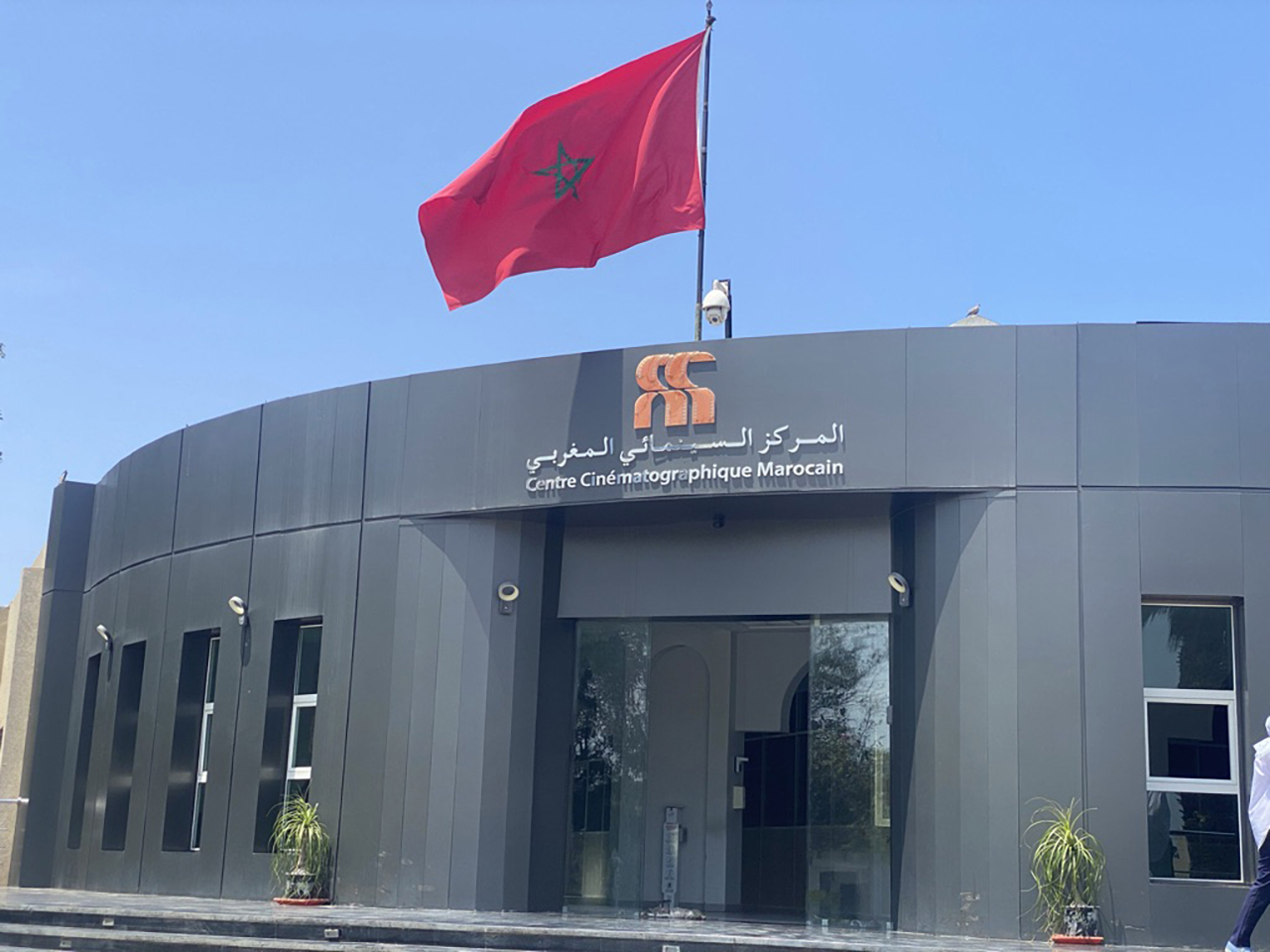
- Submit an application to the Moroccan Cinematic Center (CCM) (www.ccm.ma).
- Provide project details (script, shooting schedule, crew list).
- Pay the permit fee (varies based on project size).
- Receive approval (usually within 3–14 days).
Pro Tip: Work with a local fixer or line producer—they can speed up the process and handle paperwork for you.
2. Cost Breakdown: Budgeting for Your Moroccan Shoot
Filming in Morocco is significantly cheaper than in the U.S. or Europe, but it’s essential to plan your budget carefully.
💰 Estimated Costs for Filming in Morocco
| Expense | Low Budget | Mid-Range | High-End |
|---|---|---|---|
| Permits | $500–$2,000 | $2,000–$5,000 | $5,000–$10,000+ |
| Crew (Daily Rate) | $20–$50 per person | $50–$100 per person | $100–$200+ per person |
| Equipment Rental | $100–$500/day | $500–$1,500/day | $1,500–$5,000+/day |
| Accommodation | $30–$100/night | $100–$300/night | $300–$1,000+/night |
| Catering | $10–$20/meal | $20–$50/meal | $50–$100+/meal |
| Transportation | $50–$200/day | $200–$500/day | $500–$1,500+/day |
| Location Fees | $200–$1,000 | $1,000–$5,000 | $5,000–$20,000+ |
💸 How to Save Money
- Film during the off-season (avoid summer heat and peak tourist times).
- Hire local crew and talent (highly skilled and cost-effective).
- Take advantage of tax incentives (Morocco offers 20% cash rebates for qualifying productions).
Real-World Example: Game of Thrones saved millions by filming in Morocco instead of building sets in Europe.
3. Logistics: Transportation, Accommodation, and Equipment
🚗 Transportation: Getting Around Morocco
Morocco has modern infrastructure, making it easy to transport crew, cast, and equipment.
| Transportation Option | Best For | Cost (Approx.) |
|---|---|---|
| Rental Cars | Small crews, location scouting | $30–$100/day |
| Private Vans/Buses | Medium-sized crews | $100–$300/day |
| 4×4 Vehicles | Desert shoots, rugged terrain | $150–$400/day |
| Helicopters | Aerial shots, remote locations | $1,000–$5,000/hour |
Pro Tip: For desert shoots, 4×4 vehicles are a must—sand can be unpredictable!
🏨 Accommodation: Where to Stay
Morocco offers a range of accommodations, from budget-friendly riads to luxury hotels.
| Type | Best For | Cost (Per Night) |
|---|---|---|
| Budget Riads | Small crews, indie films | $30–$100 |
| Mid-Range Hotels | Medium-sized productions | $100–$300 |
| Luxury Riads/Resorts | High-end productions, cast | $300–$1,000+ |
| Desert Camps | Sahara shoots, unique experience | $150–$500 |
Recommended Stays:
- Marrakech: La Mamounia (luxury), Riad Yasmine (mid-range).
- Ouarzazate: Le Berbere Palace (film-themed hotel).
- Sahara Desert: Merzouga Luxury Desert Camps.
🎥 Equipment: Renting vs. Bringing Your Own
| Option | Pros | Cons |
|---|---|---|
| Rent Locally | Cheaper, no shipping hassles | Limited high-end options |
| Bring Your Own | Full control over gear | Shipping costs, customs paperwork |
Equipment Rental Companies in Morocco:
- Atlas Studios Equipment Rental (Ouarzazate).
- Marrakech Film Equipment (Marrakech).
- Casablanca Film Gear (Casablanca).
Pro Tip: Morocco offers duty-free exemptions for film equipment—work with a local fixer to navigate customs smoothly.
4. Hiring Local Crew and Talent
Morocco boasts highly skilled, experienced crews who have worked on international productions.
🎬 Why Hire Local?
✅ Cost-effective (rates are 30–50% lower than in the U.S./Europe). ✅ Fluent in multiple languages (English, French, Arabic). ✅ Familiar with local logistics (permits, locations, weather).
📋 Key Roles to Hire Locally
| Role | Daily Rate (Approx.) | Why Hire Locally? |
|---|---|---|
| Line Producer | $150–$400 | Handles permits, budget, and logistics |
| Location Manager | $100–$300 | Knows the best spots and permit processes |
| Camera Operators | $80–$200 | Skilled in international standards |
| Production Assistants | $30–$80 | Affordable and hardworking |
| Extras | $20–$50 | Large pool of diverse talent |
Where to Find Crew:
- Moroccan Cinematic Center (CCM) (www.ccm.ma).
- Local film schools (e.g., ESAV in Marrakech).
- Facebook groups (e.g., Moroccan Film Professionals).
5. Weather and Best Times to Film
Morocco’s 300+ days of sunshine make it ideal for filming, but timing is everything.
☀️ Best Seasons to Film in Morocco
| Season | Pros | Cons | Best For |
|---|---|---|---|
| Spring (March–May) | Mild weather, blooming landscapes | Slightly busier tourist season | Desert, city, and coastal shoots |
| Fall (September–November) | Ideal temperatures, fewer crowds | Limited rain (rarely an issue) | All locations |
| Winter (December–February) | Cool but sunny, great for desert scenes | Nights can be chilly in the desert | Desert and mountain shoots |
| Summer (June–August) | Long daylight hours | Extreme heat in desert areas | Indoor shoots, coastal scenes |
Pro Tip: For desert shoots, avoid July–August—temperatures can exceed 120°F (49°C).
6. Safety and Security for Filmmakers
Morocco is one of the safest countries in Africa for filmmakers, but it’s always good to plan ahead.
🛡️ Safety Tips for Filming in Morocco
- Hire local security for high-profile shoots.
- Avoid filming in sensitive areas (e.g., near military bases).
- Respect local customs (e.g., dress modestly in rural areas).
- Work with a fixer to navigate any cultural or logistical challenges.
Testimonial: “Filming in Morocco was smoother than in some European countries—no delays, no safety concerns.” — A Hollywood line producer
7. Post-Production and VFX in Morocco
Morocco isn’t just for filming—it’s also a hub for post-production and VFX.
🎛️ Post-Production Services in Morocco
| Service | Provider | Location |
|---|---|---|
| VFX Studios | Digi Effects | Casablanca |
| Soundstages | Atlas Studios | Ouarzazate |
| Editing Suites | Studio 2M | Rabat |
| Color Grading | Marrakech Post | Marrakech |
Why Morocco for Post-Production?
- Lower costs than U.S./European studios.
- Skilled local editors and VFX artists.
- Fast turnaround times.
Step-by-Step Checklist: Filming in Morocco
Ready to start your Moroccan filming adventure? Follow this step-by-step checklist to ensure a smooth production.
📋 Your Filming in Morocco Checklist
-
Finalize Your Script and Shot List
- Identify key locations and scenes.
- Adjust for local weather and lighting conditions.
-
Apply for Permits
- Submit applications to the Moroccan Cinematic Center (CCM).
- Work with a local fixer to speed up the process.
-
Hire Your Crew
- Recruit a local line producer, location manager, and crew.
- Use platforms like CCM or local film schools to find talent.
-
Book Accommodations and Transportation
- Secure hotels, riads, or desert camps for your crew.
- Arrange rental cars, vans, or 4x4s for transportation.
-
Rent or Ship Equipment
- Decide whether to rent locally or bring your own gear.
- Apply for duty-free exemptions if shipping equipment.
-
Scout Locations
- Visit key locations in person or via virtual tours.
- Confirm permits for UNESCO sites or public areas.
-
Plan for Post-Production
- Book editing suites or VFX studios in advance.
- Arrange for local color grading or sound mixing if needed.
-
Shoot Your Film!
- Stick to your schedule but allow flexibility for weather.
- Capture behind-the-scenes content for marketing.
-
Wrap Up and Export Footage
- Ensure all customs paperwork is in order for equipment.
- Celebrate a successful shoot with your crew!
Conclusion: Your Moroccan Filming Adventure Awaits!
Filming in Morocco is more than just a production choice—it’s an experience. From the breathtaking landscapes to the cost-effective logistics, Morocco offers everything a filmmaker needs to bring their vision to life.
Now that you know the ins and outs of permits, costs, and logistics, you’re ready to plan your dream shoot in one of the world’s most cinematic destinations.
🎬 Ready to Start Filming in Morocco?
👉 Share this guide with your production team! 👉 Comment below: Which Moroccan location are you most excited to film in? 👉 Contact the Moroccan Cinematic Center today to begin planning!
Lights, camera, Morocco—your masterpiece starts here! 🎥✨
❓ FAQ: Filming in Morocco – Permits, Costs, and Logistics
1. How long does it take to get a filming permit in Morocco?
Most permits are approved in 3–14 days, depending on the location and project size. UNESCO sites may take slightly longer.
2. Can I film in Morocco without a local fixer?
While possible, it’s highly recommended to work with a local fixer or line producer—they’ll handle permits, logistics, and cultural nuances.
3. What’s the best time of year to film in Morocco?
Spring (March–May) and fall (September–November) offer the best weather. Avoid summer (June–August) for desert shoots due to extreme heat.
4. Are there tax incentives for filming in Morocco?
Yes! Morocco offers a 20% cash rebate for qualifying international productions. Contact the Moroccan Cinematic Center for details.
5. Can I bring my own film equipment to Morocco?
Absolutely. Morocco offers duty-free exemptions for film equipment, but you’ll need to work with a local fixer to navigate customs smoothly.