

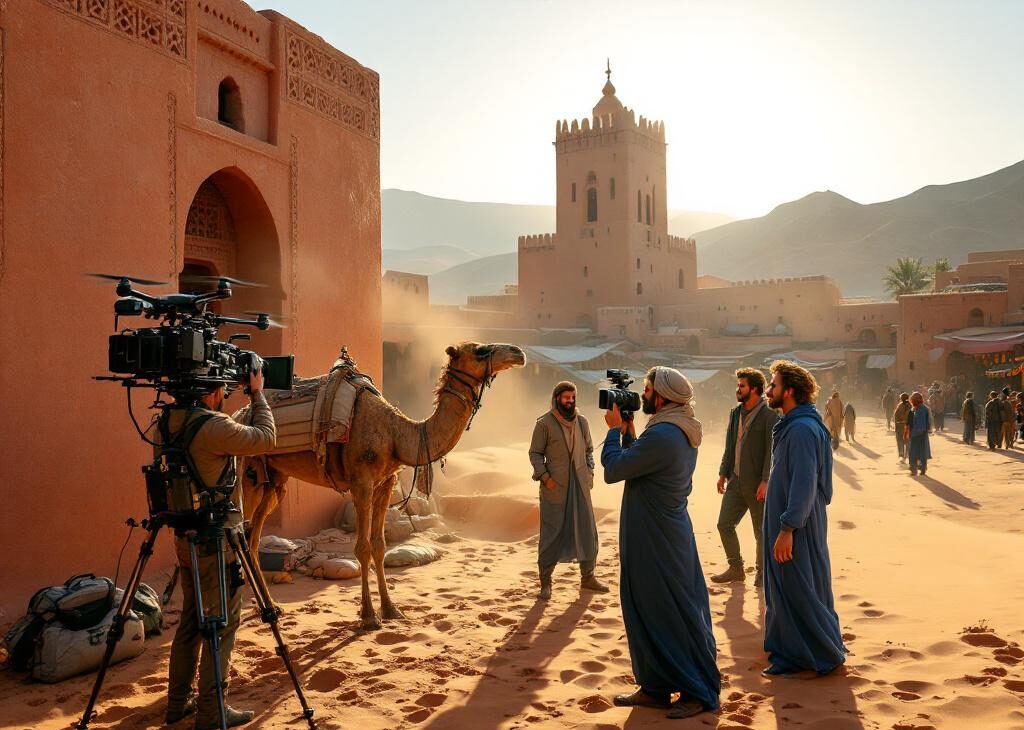
7 Hidden Film Locations in the Atlas Mountains: Where Hollywood Meets the Wild
Uncover the secret film locations in the Atlas Mountains that brought Hollywood’s biggest blockbusters to life. Explore 7 breathtaking spots you never knew existed!
Introduction: A Journey Beyond the Silver Screen
Picture this: You’re standing on a rugged mountain pass, the crisp air filling your lungs as the sun casts golden shadows over ancient villages. Suddenly, you realize—you’ve seen this place before. Not in person, but on the big screen.
The Atlas Mountains of Morocco are more than just a stunning natural wonder; they’re a hidden treasure trove of cinematic history. From epic battles to romantic adventures, these peaks have silently played starring roles in some of Hollywood’s most iconic films. Yet, many of these locations remain unknown to the average traveler.
If you’ve ever dreamed of walking in the footsteps of your favorite characters or discovering secret spots where movie magic was made, this guide is for you. Let’s embark on a journey to seven hidden film locations in the Atlas Mountains—where reality feels like a blockbuster set.
Why the Atlas Mountains? The Filmmaker’s Paradise
Before we dive into the locations, let’s explore why the Atlas Mountains are a filmmaker’s dream:
✅ Diverse Landscapes – From snow-capped peaks to arid valleys, the Atlas Mountains offer multiple backdrops in one location. ✅ Timeless Beauty – The ancient Berber villages, dramatic gorges, and vast plateaus look like they’ve been untouched by time, perfect for historical epics. ✅ Accessibility – Just a few hours from Marrakesh, the Atlas Mountains provide easy logistical access for film crews. ✅ Local Expertise – Morocco’s skilled local crews, film-friendly policies, and world-class studios (like Atlas Studios in Ouarzazate) make it a top choice for international productions.
7 Hidden Film Locations in the Atlas Mountains
1. Aït Benhaddou – The Crown Jewel of Atlas Cinema
Featured in: Gladiator (2000), Game of Thrones (2011–2019), The Mummy (1999), Lawrence of Arabia (1962)
Why It’s Iconic: Aït Benhaddou isn’t just a film location—it’s a UNESCO World Heritage Site and one of the most photographed places in Morocco. This ancient ksar (fortified village) has stood in for Jerusalem, Ancient Rome, and fictional kingdoms, making it a must-visit for cinephiles.
What to Do:
- Walk through the same alleys where Russell Crowe’s Maximus plotted his revenge in Gladiator.
- Visit the granary at the top for a panoramic view of the surrounding valleys.
- Explore the nearby film sets at Atlas Studios, where parts of Game of Thrones were shot.
Pro Tip: Visit at sunrise or sunset for the most cinematic lighting.
2. Ouarzazate – The Hollywood of the Desert
Featured in: The Living Daylights (1987), The Hills Have Eyes (2006), Kingdom of Heaven (2005)
Why It’s Iconic: Known as the « Door of the Desert, » Ouarzazate is home to Atlas Studios, the largest film studio in the world by land area. This cinematic hub has hosted dozens of blockbusters, earning it the nickname « Moroccan Hollywood. »
What to Do:
- Take a guided tour of Atlas Studios to see left-over sets from Gladiator and The Mummy.
- Visit the Taourirt Kasbah, a 19th-century fortress featured in The Living Daylights.
- Stop by the Cinéma Museum to learn about the history of filmmaking in Morocco.
Fun Fact: Scenes from The Hills Have Eyes were filmed in the nearby desert, adding a chilling realism to the horror classic.
3. Telouet – The Forgotten Kasbah of The Jewel of the Nile
Featured in: The Jewel of the Nile (1985)
Why It’s Iconic: The Kasbah of Telouet is one of Morocco’s best-kept secrets. This crumbling palace was once the stronghold of the Glaoui family and served as a dramatic backdrop for the Romancing the Stone sequel. Its remote location and haunting beauty make it a hidden gem.
What to Do:
- Explore the labyrinthine rooms and intricate tilework of the kasbah.
- Hike through the surrounding valleys for breathtaking views of the Atlas Mountains.
- Visit the nearby salt mines, which add to the otherworldly atmosphere.
Pro Tip: The road to Telouet is rugged—hire a 4×4 or a local guide for the journey.
4. Imlil – The Gateway to The Eagle’s Alpine Adventures
Featured in: The Eagle (2011)
Why It’s Iconic: Imlil is a small Berber village nestled at the foot of Mount Toubkal, North Africa’s highest peak. Its lush valleys and terraced fields provided the perfect setting for The Eagle, a Roman epic starring Channing Tatum. The village’s authentic charm and stunning scenery make it a favorite for adventure films.
What to Do:
- Hike to Mount Toubkal for spectacular views of the Atlas range.
- Visit a traditional Berber home and enjoy homemade mint tea.
- Explore the waterfalls and hidden trails that dot the landscape.
Fun Fact: Imlil is also a popular starting point for trekkers heading into the High Atlas.
5. Aït Bouguemez – The “Happy Valley” of The Last Temptation of Christ
Featured in: The Last Temptation of Christ (1988)
Why It’s Iconic: Known as the « Happy Valley, » Aït Bouguemez is a remote paradise tucked away in the Central Atlas. Its green meadows, traditional villages, and towering cliffs made it the ideal location for Martin Scorsese’s The Last Temptation of Christ. The valley’s serene beauty contrasts sharply with the dramatic themes of the film.
What to Do:
- Walk through the ancient villages and meet local Berber families.
- Hike to the Tighemt Pass for unmatched views of the valley.
- Visit the weekly souk to experience traditional Moroccan culture.
Pro Tip: Aït Bouguemez is less touristy than other Atlas destinations, making it a peaceful retreat.
6. Todgha Gorge – The Dramatic Canyon of The Mummy
Featured in: The Mummy (1999), Prince of Persia: The Sands of Time (2010)
Why It’s Iconic: Todgha Gorge is one of Morocco’s most dramatic natural wonders. Its 300-meter-high cliffs and narrow canyon created a sense of danger and adventure in The Mummy and Prince of Persia. The gorge’s raw, rugged beauty makes it a favorite for action sequences.
What to Do:
- Hike or rock climb along the canyon walls.
- Visit the nearby Todgha Village for a glimpse of local life.
- Explore the palm groves and oases that dot the landscape.
Fun Fact: The gorge was formed by the Todgha River, which still flows through it today.
7. Taznakht – The Hidden Oasis of The Man Who Would Be King
Featured in: The Man Who Would Be King (1975)
Why It’s Iconic: Taznakht is a quiet oasis town known for its traditional carpets and stunning landscapes. It served as a key location for The Man Who Would Be King, starring Sean Connery and Michael Caine. The town’s remote setting and authentic atmosphere made it the perfect stand-in for a fictional Himalayan kingdom.
What to Do:
- Visit the local carpet cooperatives to see handmade Berber rugs.
- Explore the nearby desert and ancient kasbahs.
- Enjoy a traditional Moroccan meal in a family-run guesthouse.
Pro Tip: Taznakht is off the beaten path, so it’s ideal for travelers seeking authentic experiences.
How to Explore the Atlas Mountains Like a Filmmaker
Ready to embark on your own cinematic adventure? Here’s how to experience the Atlas Mountains like a Hollywood director:
🗺️ Plan Your Route – Start in Marrakesh and loop through Ouarzazate, Aït Benhaddou, and the High Atlas. 🚗 Hire a Local Guide – Many hidden locations require 4×4 access or local knowledge to find. 🎥 Bring a Camera – The Atlas Mountains are one of the most photogenic places on Earth. 🏨 Stay in a Riad or Guesthouse – Experience traditional Moroccan hospitality in family-run accommodations.
Conclusion: Your Atlas Adventure Awaits
The Atlas Mountains are more than just a stunning landscape—they’re a living museum of cinema. From ancient kasbahs to dramatic gorges, these hidden film locations offer a unique blend of adventure, history, and movie magic.
So, which location will you visit first? Or perhaps you’ve already walked in the footsteps of Hollywood legends? Share your stories in the comments below!
💬 We’d love to hear from you:
- Which Atlas Mountains film location is your favorite?
- Have you visited any of these spots? What was your experience like?
- What’s the most memorable movie you’ve seen filmed in Morocco?
🎬 Lights, camera, adventure—your Atlas Mountains journey starts now! 🌄
FAQ: Hidden Film Locations in the Atlas Mountains
1. Why are the Atlas Mountains such a popular filming location?
The Atlas Mountains offer diverse landscapes, from snow-capped peaks to arid deserts, making them versatile for filmmakers. Their timeless beauty, accessibility from Marrakesh, and local film infrastructure (like Atlas Studios) also make them a top choice for productions.
2. Can I visit these film locations on my own, or do I need a guide?
While some locations, like Aït Benhaddou and Ouarzazate, are easily accessible, others (such as Telouet and Taznakht) require a 4×4 vehicle or a local guide due to rugged terrain. Hiring a guide also enhances the experience with insider knowledge and hidden gems.
3. What’s the best time of year to visit the Atlas Mountains for film locations?
Spring (March–May) and Fall (September–November) are ideal, thanks to mild weather and clear skies. Avoid winter if you’re sensitive to cold, as higher altitudes can experience snow.
4. Are there any upcoming films or TV shows being shot in the Atlas Mountains?
Morocco remains a hotspot for filmmakers, with new projects frequently in production. While specifics are often kept under wraps, keep an eye on industry news—chances are, the next big blockbuster could be filming there soon!
5. How has filming in the Atlas Mountains impacted local communities?
Filming has boosted tourism and created jobs for locals, from guides to set builders. Many villages now offer film-themed tours, and local businesses (like guesthouses and cooperatives) benefit from increased visitors. However, there’s also a focus on sustainable tourism to preserve the region’s natural beauty.